

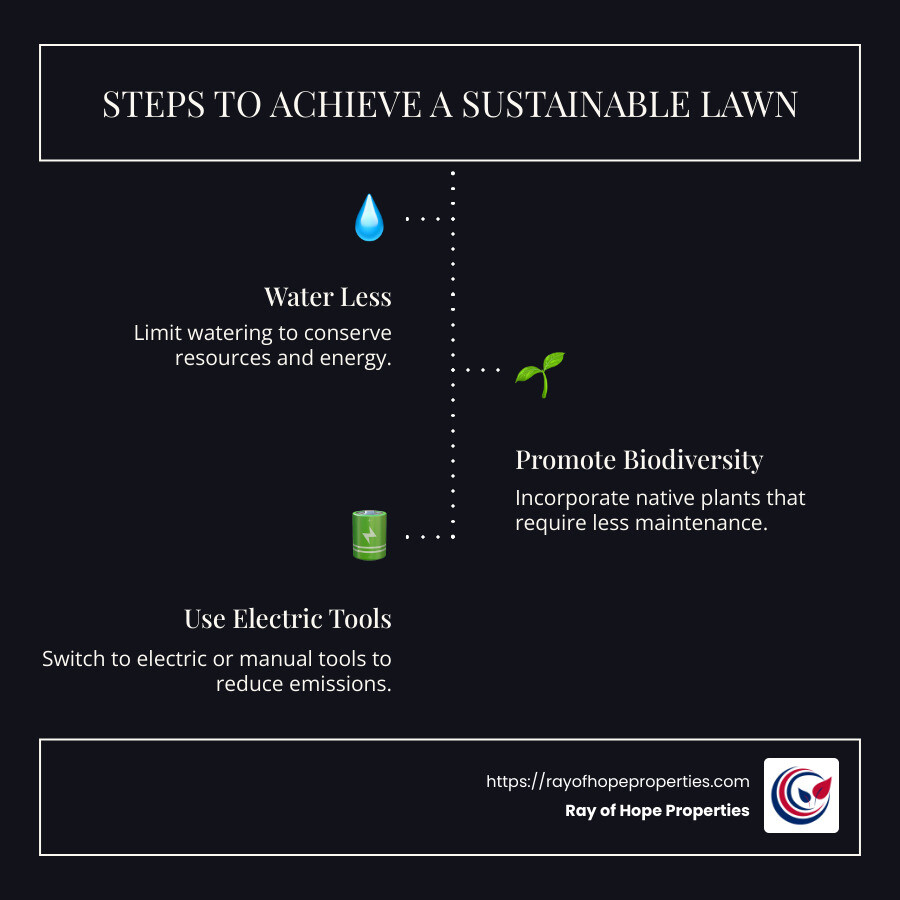
Sustainable lawn solutions are essential for anyone looking to create an eco-friendly outdoor space. By embracing these solutions, you can nurture your lawn while safeguarding the environment. Here are a few quick tips:
- Water Less: Limit watering to conserve resources and energy.
- Promote Biodiversity: Incorporate native plants that require less maintenance.
- Switch to Electric: Use electric or manual tools to cut down on emissions.
- Mulch and Compost: Improve soil health by recycling organic matter.
Creating a sustainable lawn means embracing practices that support eco-friendly lawn care, foster biodiversity, and prioritize water conservation. Traditional lawns, while visually appealing, are often thirsty, resource-intensive, and not very kind to the environment. However, we can change this narrative. By adopting practices such as reducing water usage, choosing native plants, and using organic care methods, we can transform our lawns into sustainable sanctuaries.
This guide aims to simplify the journey towards a greener lawn, enhancing curb appeal without compromising the planet’s health. Whether you’re a lawn care novice or someone seeking modern solutions, the path to a lush and sustainable lawn is within reach.
Handy sustainable lawn solutions terms:
– Functional garden design
– Landscaping with native plants
– Low maintenance garden ideas
Sustainable Lawn Solutions
Creating a sustainable lawn is all about making choices that are good for the environment and your yard. Let’s explore some practical ways to achieve this with organic lawn care, native plants, and composting.
Organic Lawn Care
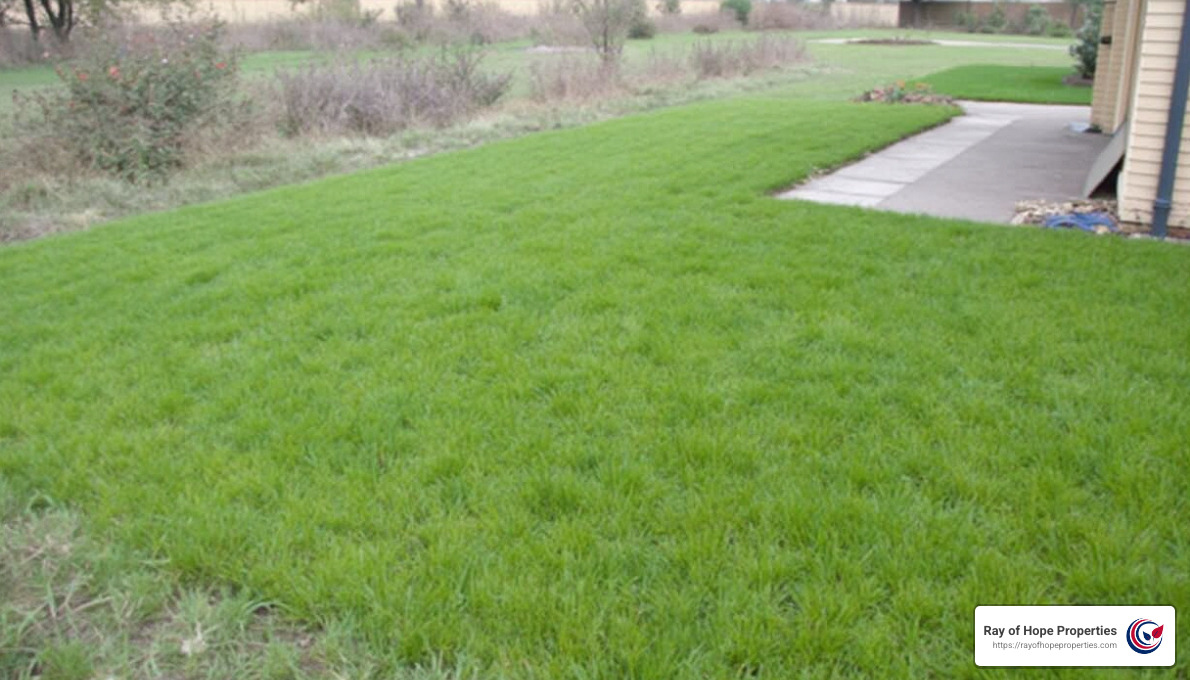
Organic lawn care focuses on using natural products that are safe for the environment. Instead of synthetic chemicals, opt for organic fertilizers and treatments. These options break down quickly and don’t harm the soil or water systems.
Eco-Friendly Fertilizers: Use compost, aged manure, or worm castings to enrich your soil naturally. These materials provide essential nutrients without the risk of chemical runoff.
Organic Pesticides: Consider alternatives like neem oil or diatomaceous earth to manage pests. These are less harmful to beneficial insects and wildlife.
Natural Weed Control: Try corn gluten meal or horticultural vinegar to keep weeds at bay. Manual weeding and mulching are also effective methods.
Native Plants
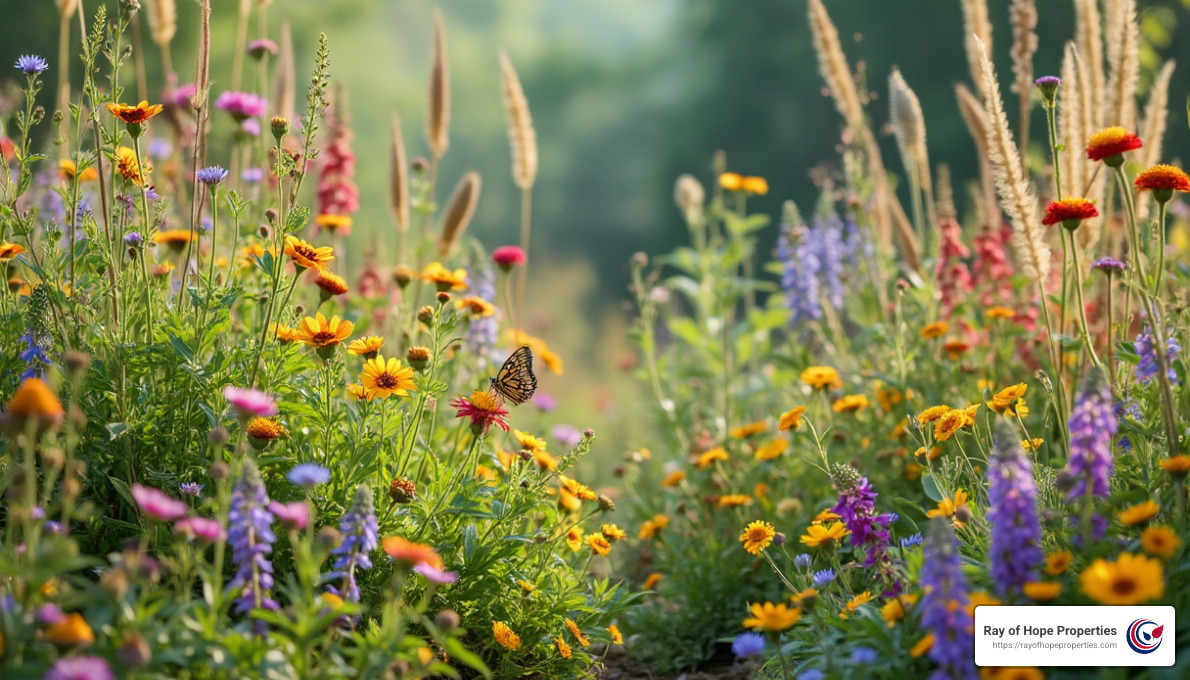
Incorporating native plants into your garden can significantly reduce maintenance and resource use. Native plants are adapted to the local climate and soil conditions, making them resilient and less dependent on water and fertilizers.
Biodiversity Boost: Native plants create a habitat for local wildlife, including pollinators like bees and butterflies. This helps maintain a balanced ecosystem.
Examples of Native Gardens:
- Meadow Gardens: Feature wildflowers and grasses that thrive naturally.
- Butterfly Gardens: Use plants like black-eyed Susans and yarrow to attract butterflies and dragonflies.
Composting
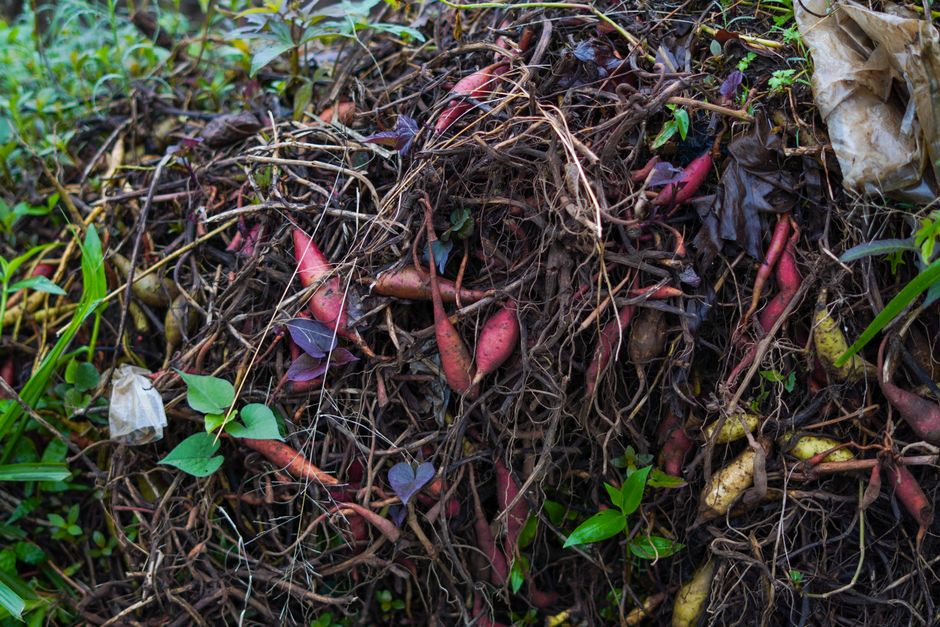
Composting is a fantastic way to recycle organic waste and improve your lawn’s soil health. By turning kitchen scraps and yard waste into nutrient-rich compost, you create a sustainable cycle that benefits your garden.
- Benefits of Composting:
- Soil Enrichment: Compost adds essential nutrients and improves soil structure.
- Moisture Retention: Helps the soil retain water, reducing the need for frequent watering.
Waste Reduction: Keeps organic waste out of landfills.
Composting Tips:
- Balance: Mix green (nitrogen-rich) and brown (carbon-rich) materials.
- Aerate: Turn your compost pile regularly to speed up decomposition.
By integrating these sustainable lawn solutions, you can cultivate a vibrant and eco-friendly outdoor space. Transitioning to organic practices, choosing native plants, and embracing composting not only improve your lawn’s health but also contribute to a healthier planet. Let’s continue exploring how to maintain these sustainable practices in the next section.
Eco-Friendly Lawn Care Practices
Once you’ve laid the groundwork with sustainable solutions, it’s time to focus on eco-friendly lawn care practices that help maintain a healthy and vibrant yard. This section will cover essential topics like mowing techniques, overseeding, and soil testing.
Mowing Techniques
Mowing your lawn the right way can make a big difference in its health and appearance. Here are some tips to keep in mind:
Use a Manual or Electric Mower: Opt for a manual mower or an electric one to reduce emissions. According to research, manual mowers are the most environmentally friendly option.
Mow at the Right Height: Set your mower blades high. Taller grass shades the soil, reducing weed growth and moisture loss. This practice also encourages deep root development.
Leave Grass Clippings: Let clippings decompose on your lawn. They act as a natural fertilizer, returning nutrients to the soil.
Overseeding
Overseeding is a simple yet effective way to keep your lawn dense and healthy, which naturally suppresses weeds.
Choose the Right Time: For warm-season grasses, overseed in spring. For cool-season grasses, fall is the best time.
Select Appropriate Grass Types: Use grass varieties that fit your local climate and soil type. This reduces the need for extra watering and fertilizers.
Regular Overseeding: Make it a routine to overseed each year. This keeps your lawn lush and resilient against pests and diseases.
Soil Testing
Understanding your soil is key to maintaining a thriving lawn. Soil testing provides insights into nutrient levels and pH balance.
Test Regularly: Conduct soil tests every few years to monitor changes and adjust your care routine accordingly.
Amend as Needed: Based on test results, add organic matter or specific nutrients to address deficiencies. This keeps your lawn robust without over-relying on chemical fertilizers.
Encourage a Healthy Microbiome: Healthy soil is teeming with beneficial microorganisms. These microbes help break down organic matter and support plant growth.
By incorporating these eco-friendly lawn care practices, you create a sustainable environment that promotes strong turf and minimizes the need for chemicals. These methods not only improve your lawn’s beauty but also contribute positively to the ecosystem. Next, we’ll explore water conservation techniques to further support your eco-friendly lawn journey.
Water Conservation Techniques
Water is a precious resource, and conserving it is essential for any eco-friendly lawn care plan. Let’s explore some effective water conservation techniques that can help you maintain a beautiful lawn while saving water.
Rain Barrels
Rain barrels are a simple way to collect and store rainwater for your lawn and garden.
How They Work: Attach a rain barrel to your gutter’s downspout to catch rainwater. This water can then be used for irrigation.
Benefits: Rain barrels help conserve water, reduce runoff, and lower your water bill. For every inch of rain on a 150 square foot roof section, you can collect up to 90 gallons of water.
Installation Tips: Choose a location near your garden or lawn for easy access. Ensure the barrel has a secure lid to prevent mosquitoes and debris from entering.
Drip Irrigation
Drip irrigation is a highly efficient way to water plants directly at their roots.
How It Works: A network of plastic pipes delivers water slowly and directly to the plant’s root zone, minimizing evaporation and runoff.
Benefits: This system conserves water, reduces weed growth, and promotes healthy plant growth by ensuring consistent moisture levels.
Installation Tips: Use drip irrigation for flower beds, vegetable gardens, and shrubs. Adjust the flow rate and placement to suit your specific plants’ needs.
Water-Saving Systems
Incorporating water-saving systems into your lawn care routine can significantly reduce your water usage.
Smart Irrigation Controllers: These devices adjust watering schedules based on weather conditions, soil moisture, and plant needs, ensuring efficient water use.
Soaker Hoses: Similar to drip irrigation, soaker hoses deliver water directly to the soil, minimizing evaporation.
Mulching: Applying a layer of mulch around your plants helps retain soil moisture, reducing the need for frequent watering.
By implementing these water conservation techniques, you not only save water but also promote a healthier lawn and garden. These methods are essential components of sustainable lawn solutions, helping you create an eco-friendly outdoor space. Next, we’ll explore alternatives to traditional lawns that can further improve your sustainable lawn care efforts.
Alternatives to Traditional Lawns
If you’re looking to reduce maintenance and environmental impact, consider these alternatives to traditional lawns. Let’s explore some eco-friendly options that can transform your outdoor space.
Clover Lawns
Clover lawns are gaining popularity as a sustainable lawn solution. Unlike traditional grass, clover is low-maintenance and eco-friendly.
Water and Fertilizer Needs: Clover requires less water and no fertilizer, making it an excellent choice for conserving resources.
Weed Control: Clover naturally suppresses weeds, reducing the need for herbicides.
Attracts Pollinators: Clover attracts bees and other pollinators, supporting biodiversity in your garden.
Clover’s ability to thrive in partial shade and its resistance to drought make it a resilient choice for any lawn.
Ground Covers
Ground covers are a versatile alternative to grass, offering both beauty and functionality.
Types: Consider native ground covers like creeping thyme, sedum, or vinca. These plants require less water and maintenance compared to traditional lawns.
Benefits: Ground covers help control erosion, reduce weed growth, and provide a habitat for beneficial insects.
Visual Appeal: With a variety of colors and textures, ground covers can improve the aesthetic of your landscape.
By replacing turf with ground covers, you can create a vibrant, low-maintenance lawn that supports local ecosystems.
Xeriscaping
Xeriscaping is a landscaping method designed to minimize water use.
Principles: This approach uses drought-tolerant plants and efficient irrigation practices to create a sustainable landscape.
Benefits: Xeriscaping reduces water consumption, lowers maintenance needs, and decreases reliance on chemical fertilizers and pesticides.
Design Tips: Incorporate rocks, mulch, and native plants to create a visually appealing and environmentally friendly yard.
Xeriscaping not only conserves water but also improves the beauty and resilience of your outdoor space.
By considering these alternatives, you can create a lawn that is both beautiful and sustainable. These options align with modern eco-friendly practices and provide a practical way to reduce your environmental footprint. Next, we’ll address frequently asked questions about sustainable lawn solutions to help you make informed choices for your landscape.
Frequently Asked Questions about Sustainable Lawn Solutions
How can I make my lawn environmentally friendly?
To make your lawn environmentally friendly, focus on building healthy soil rich in organic matter and microorganisms. This approach promotes a robust ecosystem right under your feet.
Organic Matter: Use compost and aged manure to enrich your soil. These materials improve soil structure and support the growth of beneficial organisms.
Microorganisms: Healthy soil teems with microorganisms that help break down organic matter, releasing nutrients for your plants. Avoid synthetic chemicals that can harm these tiny helpers.
What are the sustainable alternatives to grass?
If you’re looking to replace traditional grass, consider using ground cover plants and meadow lawns.
Ground Cover Plants: Opt for low-growing plants like creeping thyme or sedum. These require less water and maintenance compared to grass, while also providing color and texture.
Meadow Lawns: Transform part of your lawn into a meadow with native grasses and wildflowers. This not only reduces mowing but also attracts pollinators and improves biodiversity.
Can you have a nice lawn without chemicals?
Absolutely, you can maintain a beautiful lawn without relying on chemicals by embracing organic lawn care practices.
Organic Lawn Care: Use natural fertilizers like compost and bone meal. For pest control, consider options like neem oil or diatomaceous earth.
Robust Turf: Select grass varieties that are well-suited to your climate and soil conditions. A healthy, dense turf can naturally resist weeds and pests.
By integrating these sustainable lawn solutions, you can create an eco-friendly landscape that’s both beautiful and kind to the environment. These strategies not only reduce your ecological footprint but also improve the health and resilience of your outdoor space.
Conclusion
At Ray of Hope Properties, we believe that creating beautiful outdoor spaces should never come at the expense of our environment. That’s why we’re committed to providing personalized solutions that align with eco-friendly practices. Our approach is simple: we tailor our services to meet the unique needs of your property while promoting sustainability.
Eco-Friendly Practices: Our team employs sustainable techniques that conserve water, reduce waste, and improve biodiversity. By using native plants, we create landscapes that require less maintenance and support local ecosystems. We also prioritize organic lawn care, which means fewer chemicals and healthier soil.
Personalized Solutions: Every landscape is different, and we know that one size doesn’t fit all. We work closely with you to understand your vision and goals. Whether it’s a lush clover lawn or a vibrant meadow, we’ll design and maintain a space that meets your needs and respects the planet.
By choosing Ray of Hope Properties, you’re not just getting a service; you’re joining a movement towards a greener future. Let’s work together to transform your outdoor space into a sustainable haven that you can be proud of. Contact us today to start your journey towards a more eco-friendly lawn.


