

The Benefits of Raised Bed Gardening
Raised bed garden maintenance can transform an ordinary space into a lush, productive garden with abundant harvests and vibrant foliage. It’s an effective approach for those who want to maximize their gardening efforts, especially in urban areas or places with poor soil conditions.
Efficient Space Use: Raised beds allow you to plant more crops in less space. You can place them in unused corners or even paved areas.
Improved Soil Quality: You can control the soil mix entirely, improving drainage and nutrient composition.
Easier on the Back: Lifted beds make it easier to reach plants without bending over constantly, reducing strain during maintenance.
Better Pest Control: Raised edges can help deter pests and prevent soil erosion.
With simple tips and proper planning, anyone can easily maintain an attractive outdoor space that improves curb appeal and creates a welcoming environment.
Remember the essentials: use quality soil, consider plant spacing, and plan for irrigation before planting. Enjoy the process and find joy in growing vibrant, thriving spaces, even with limited gardening experience.
Raised bed garden maintenance further reading:
– low maintenance raised beds
– maintenance gardener
– good soil for garden beds
Essential Soil Management
Soil is the heart of any garden, and in a raised bed, it’s even more crucial to get it right. Let’s explore the essentials of soil management to ensure your raised bed garden flourishes.
Soil Amendment
Amending your soil means adding materials to improve its quality. For raised beds, this is vital because you can tailor the soil to meet your plants’ needs. Start with a mix of topsoil, compost, and other organic materials. This combination boosts drainage and provides a nutrient-rich environment for plants.
Consider adding perlite or vermiculite to improve aeration and moisture retention. These amendments make the soil lighter and more workable, which is essential for root development.
Organic Matter
Organic matter is the secret sauce of any healthy garden. It includes decomposed plant material, animal manure, and other natural substances. This matter is rich in nutrients and helps improve the soil’s structure.
Each season, add a layer of compost to your raised beds. This practice not only enriches the soil but also supports beneficial microorganisms. These tiny helpers break down organic matter, releasing nutrients that plants need to grow strong and healthy.
Soil Revitalizer
Over time, even the best soil can become tired and depleted. Using a soil revitalizer can help restore its vitality. These products often contain a mix of minerals, beneficial fungi, and other ingredients that boost soil health.
A soil revitalizer can be particularly useful if your plants show signs of nutrient deficiency, like yellowing leaves or stunted growth. Regularly testing your soil and adjusting its composition ensures your garden remains productive.

By focusing on these soil management practices, you’ll create a thriving environment for your plants. Healthy soil leads to healthy plants, and with a bit of care, your raised bed garden will yield bountiful harvests season after season.
Watering Techniques for Raised Beds
Watering is a critical part of raised bed garden maintenance. Because raised beds drain more efficiently than traditional gardens, they need a bit more attention. Let’s explore the best ways to keep your plants hydrated and happy.
Watering Frequency
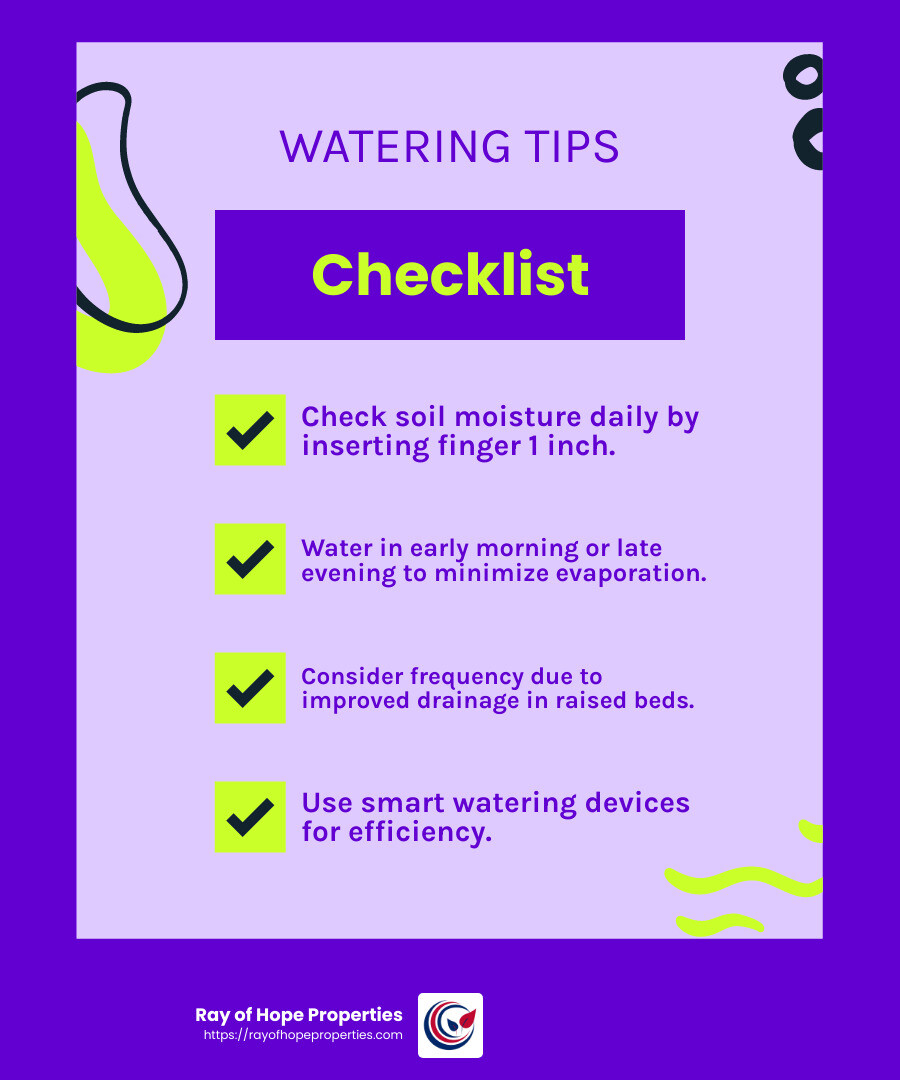
Raised beds often require more frequent watering due to improved drainage. A good rule of thumb is to check the soil moisture regularly. Stick your finger about an inch into the soil; if it feels dry, it’s time to water. Generally, watering in the early morning or late evening is best. This prevents rapid evaporation that can occur during the heat of the day.
Smart Watering Devices
Accept technology to make watering easier and more efficient. Smart watering devices like soaker hoses or drip irrigation systems are excellent choices for raised beds. They deliver water directly to the plant roots, minimizing waste and ensuring even distribution.
Soaker hoses are easy to install and can be laid out around your plants. They slowly seep water, allowing it to penetrate deeply into the soil. This method is ideal for maintaining consistent soil moisture.
Drip irrigation systems offer even more control. These systems can be set on timers, ensuring your plants get the right amount of water at the right time. Plus, they help keep foliage dry, reducing the risk of disease.
For those who want to take it a step further, consider using a smart irrigation controller. These devices connect to your smartphone and adjust watering schedules based on weather conditions, ensuring optimal soil moisture without overwatering.
By using these smart watering techniques, you’ll keep your raised beds thriving with minimal effort. This approach not only saves water but also promotes healthier plant growth, leading to a more bountiful harvest.
Mulching and Weed Control
Keeping weeds at bay and maintaining soil health in your raised bed garden can be a breeze with the right mulching and weed control techniques.
Mulch Types
Mulching is a simple yet effective way to conserve soil moisture and reduce weed growth. Here are some popular mulch types you might consider:
Straw: A natural and organic option that decomposes slowly, adding nutrients back into the soil. It’s light and easy to spread.
Wood Chips: These are long-lasting and great for moisture retention. They also give your garden a tidy appearance.
Grass Clippings: If you have a lawn, this is a free and readily available option. Just make sure the clippings are free of herbicides.
Each type of mulch has its own benefits, so choose one that best suits your garden’s needs and your personal preferences.
Weed Prevention
Weeds can be a gardener’s nightmare, but with a few simple steps, you can keep them under control:
Regular Monitoring: Consistently check your beds for any sign of weeds. Early detection makes removal easier.
Hand Pulling: This is often sufficient in raised beds. Pull weeds when the soil is moist for easier removal.
Mulch as a Barrier: A good layer of mulch acts as a physical barrier, blocking sunlight and preventing weed seeds from germinating.
Landscape Fabric: For persistent weeds like Bermuda grass, consider using landscape fabric under the mulch. This adds an extra layer of protection.
By choosing the right mulch and following these weed prevention tips, you can maintain a neat and productive raised bed garden. This not only saves time and effort but also improves the overall health and appearance of your garden.
Next, let’s dive into feeding and fertilizing your plants to ensure they get all the nutrients they need for robust growth.
Feeding and Fertilizing Your Plants
Feeding your plants is crucial to ensure they grow strong and healthy. In a raised bed garden, this means understanding plant nutrition and using the right fertilizers.
Plant Nutrition
Plants need a mix of nutrients to thrive. The primary nutrients are nitrogen (N), phosphorus (P), and potassium (K). These help with growth, root development, and overall plant health.
- Nitrogen boosts leafy growth. It’s essential for vegetables like lettuce and spinach.
- Phosphorus supports root and flower development, crucial for tomatoes and peppers.
- Potassium improves overall plant health and disease resistance.
Organic Fertilizers
Using organic fertilizers is a great way to feed your plants naturally. They release nutrients slowly, providing a steady supply over time. Here are some popular options:
Compost: Rich in nutrients and can improve soil structure. You can make it at home using kitchen scraps and yard waste.
Bone Meal: A good source of phosphorus and calcium. It’s excellent for root crops like carrots and beets.
Fish Emulsion: High in nitrogen, perfect for leafy greens. It’s a liquid fertilizer, so it’s easy to apply.
Seaweed Extract: Packed with micronutrients, it promotes overall plant health and stress resistance.
Application Tips
Timing: Apply fertilizers early in the growing season when plants are actively growing. This ensures they get the nutrients they need when they need them most.
Frequency: Follow the recommended application rates. Over-fertilizing can harm plants and the environment.
Combination: Use a mix of fertilizers to provide a balanced nutrient supply. For instance, combine compost with bone meal for a complete nutrient profile.
Regular feeding and the use of organic fertilizers can make a significant difference in the productivity and health of your raised bed garden. With these tips, you’ll be well on your way to a bountiful harvest.
Next, we’ll explore how to keep pests and diseases at bay, ensuring your garden stays vibrant and healthy.
Pest and Disease Management
Keeping pests and diseases in check is vital for a thriving raised bed garden. Let’s explore some effective strategies for pest patrol and natural remedies.
Pest Patrol
Keeping an eye on your garden helps catch problems early. Regularly inspect your plants for signs of pests, like holes in leaves or sticky residue. Here are some common garden pests and how to tackle them:
Aphids: These tiny insects suck sap from plants, causing leaves to curl. You can spray them off with water or introduce ladybugs, which love to eat aphids.
Caterpillars: These can munch through leaves quickly. Hand-pick them off your plants or use a natural spray like neem oil.
Earwigs: Known for nibbling on seedlings, you can trap them using rolled-up newspapers. Place these traps in your garden overnight and dispose of the earwigs in the morning.
Natural Remedies
Using natural remedies helps protect your plants without harming the environment. Here are a few options:
Neem Oil: This natural pesticide works well against a variety of pests. Spray it on affected plants every few days until the pests are gone.
Garlic Spray: Mix crushed garlic with water and a little dish soap. Spray on plants to repel pests like aphids and caterpillars.
Diatomaceous Earth: Sprinkle this powder around plants to deter slugs and snails. It’s safe for plants but deadly to soft-bodied pests.
Companion Planting: Some plants, like marigolds, can naturally repel pests. Plant them alongside vegetables to keep unwanted bugs away.
Disease Monitoring
Diseases can spread quickly, so it’s crucial to act fast. Look out for symptoms like wilting, discoloration, or unusual spots on leaves. Here’s what you can do:
Remove Affected Plants: To prevent the spread, remove diseased plants promptly.
Improve Air Circulation: Space plants properly and prune them to allow air to flow, reducing the risk of fungal diseases.
Use Disease-Resistant Varieties: Choose plant varieties known for their resistance to common diseases in your area.
By staying vigilant and using natural solutions, you can keep your raised bed garden healthy and productive. Up next, we’ll cover essential maintenance tasks to keep your garden in top shape throughout the year.
Raised Bed Garden Maintenance Tips
Keeping your raised bed garden in top shape requires regular maintenance and attention to seasonal tasks. Let’s explore some practical tips to ensure your garden thrives year-round.
Regular Maintenance
1. Watering Wisely:
Raised beds drain water efficiently, so it’s crucial to water them consistently. Stick your fingers into the soil to check moisture levels. Water at the base of plants in the early morning or evening to minimize evaporation.
2. Weeding:
Weeds compete for water and nutrients. Hand-pull weeds regularly to keep them from taking over. For larger gardens, consider using hand tools or mulching to suppress weed growth. Mulching with organic materials like straw or wood chips can also help retain moisture and reduce evaporation.
3. Plant Support:
Support taller plants like tomatoes and beans with stakes, cages, or trellises. This encourages upward growth, improves air circulation, and maximizes space.
4. Monitoring for Pests and Diseases:
Regularly inspect your plants for signs of pests or diseases. Early detection can prevent larger issues. Use natural remedies like neem oil or garlic spray to tackle pests, and remove any diseased plants promptly.
Seasonal Tasks
Spring:
– Soil Preparation: Before planting, amend your soil with compost or organic matter to replenish nutrients.
– Planting: Choose disease-resistant varieties suited for your climate and plant them at the appropriate time for your region.
Summer:
– Watering: Adjust watering schedules based on temperature and rainfall. Ensure plants receive enough water during hot spells.
– Pruning: Trim back overgrown plants to improve air circulation and prevent disease.
Fall:
– Harvesting: Pick vegetables and herbs as they ripen to encourage continued growth.
– Soil Care: After harvesting, remove plant debris and add a layer of compost to prepare the bed for winter.
Winter:
– Protection: In colder climates, consider covering your beds with mulch or fabric to protect the soil and any overwintering plants.
By incorporating these raised bed garden maintenance tips into your routine, you can enjoy a healthy and productive garden throughout the year. Up next, we’ll tackle some frequently asked questions about maintaining your raised bed garden.
Frequently Asked Questions about Raised Bed Garden Maintenance
How often should I change the soil in my raised garden bed?
Changing the soil in your raised bed garden isn’t something you need to do annually. Instead, focus on soil amendment. Each planting season, enrich the existing soil with organic matter like compost. This revitalizes the soil by adding nutrients and improving its structure.
When to Amend Soil:
– Spring: Before planting, mix in compost or other organic materials.
– Fall: After the last harvest, add a layer of compost to prepare for winter.
Regularly amending the soil maintains its health and fertility, ensuring your plants have the nutrients they need without the hassle of completely replacing the soil.
Should you water a raised bed garden every day?
Watering frequency depends on several factors, including temperature and rainfall. Raised beds have excellent drainage, so keeping the soil consistently moist is key.
Considerations for Watering:
– Temperature: During hot weather, you might need to water daily. In cooler weather, every other day might suffice.
– Morning or Evening: Watering during these times reduces evaporation and helps plants absorb moisture effectively.
To avoid overwatering, check the soil moisture by sticking your finger into the soil. If it feels dry an inch below the surface, it’s time to water.
What should you not put in a raised garden bed?
Keeping your raised bed garden healthy involves knowing what to avoid. Certain materials and practices can harm soil health and plant growth.
Avoid These in Your Raised Bed:
– Treated Wood: Contains chemicals that can leach into the soil.
– Non-organic Mulch: Some mulches may contain dyes or chemicals.
– Invasive Plants: Avoid planting perennials like mint directly in the bed, as they can take over.
By steering clear of these materials and practices, you’ll maintain a productive and healthy growing environment for your plants.
Conclusion
At Ray of Hope Properties, we believe that a thriving garden starts with careful planning and sustainable practices. Our personalized solutions are designed to cater to your unique gardening needs, ensuring that your outdoor space is both beautiful and functional.
Sustainable Practices:
We prioritize eco-friendly methods in every project. By incorporating native plants and using organic fertilizers, we help create a balanced ecosystem that supports local wildlife and reduces the need for chemical interventions. Our team is committed to promoting practices that conserve water and improve soil health, making your garden a sustainable haven.
Personalized Solutions:
Every garden is different, and so are the preferences of its caretaker. We take the time to understand your vision and tailor our services to match. Whether you’re looking for a low-maintenance garden or a vibrant floral display, we have the expertise to bring your ideas to life.
If you’re ready to transform your yard into a lush, sustainable oasis, contact us at Ray of Hope Properties. Let us help you master raised bed garden maintenance and create an outdoor space that brings joy year after year.


