

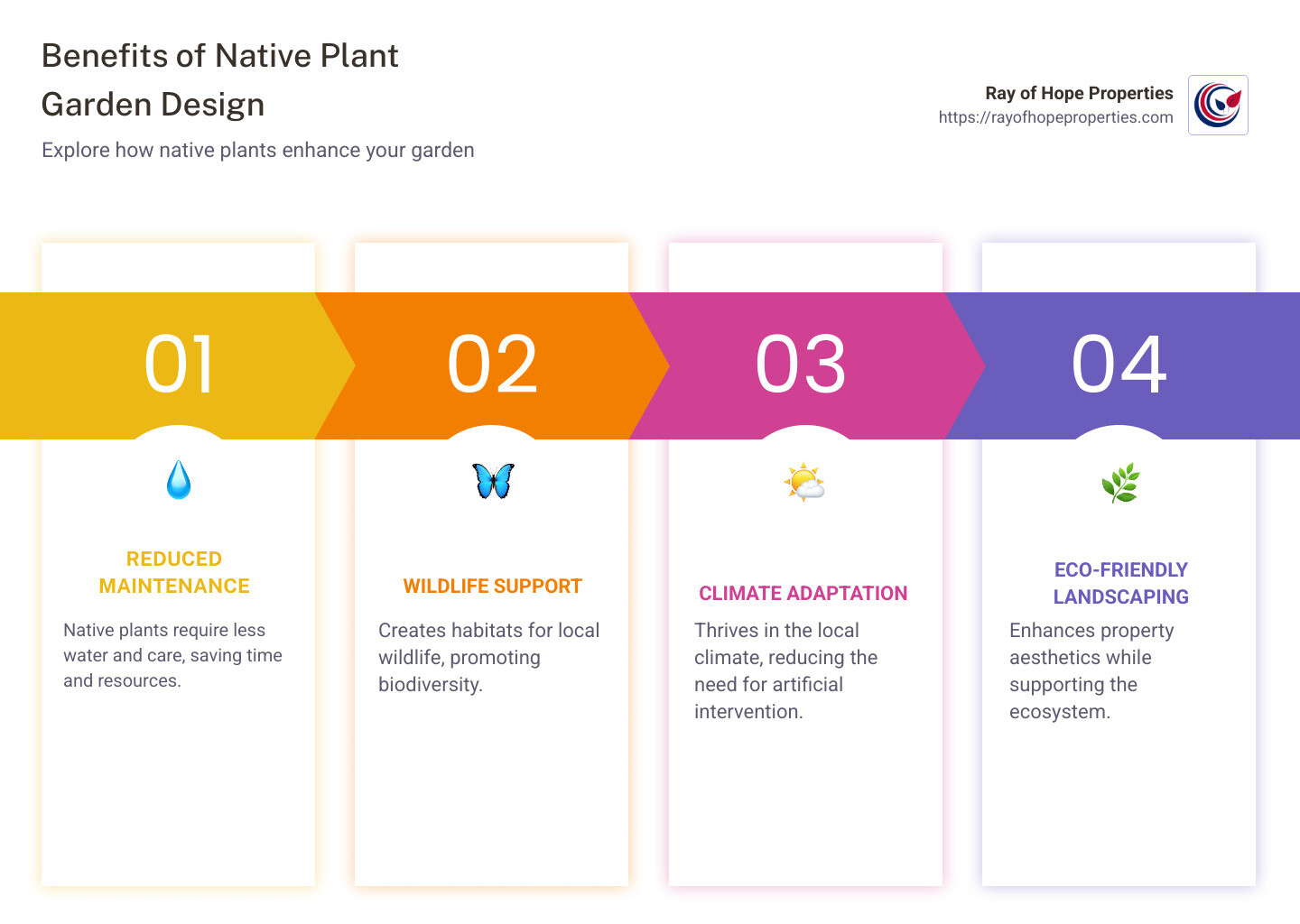
Native plant garden design offers a beautiful and sustainable way to transform any outdoor space, whether for a home or a business. Embracing native plants brings a host of benefits that align with eco-friendly landscaping goals, including local climate adaptation, support for wildlife, and reduced maintenance requirements.
For those looking to create a more environmentally conscious garden, here’s a quick understanding of what native plant garden design entails:
- Native Plants: Plants that thrive in your local climate without needing extra resources like water or pesticides.
- Sustainable Practices: Techniques that promote water conservation, biodiversity, and soil health.
- Eco-friendly Landscaping: Landscaping that supports the ecosystem while enhancing property aesthetics.
Here at Ray of Hope Properties in Tuscaloosa, we believe that landscaping shouldn’t compromise the environment. By using native plants, we create vibrant landscapes that reflect the natural ecosystem and are both beautiful and beneficial.
Understanding Native Plant Garden Design
Designing a native plant garden involves more than just choosing plants that look pretty. It’s about creating a harmonious ecosystem that thrives naturally in your local environment. Here’s how to get started:
Design Fundamentals
When you start on your native plant garden journey, understand the basics of design. These fundamentals will guide you in creating a garden that is both aesthetically pleasing and ecologically sound:
- Balance and Harmony: Aim for a mix of plant sizes, shapes, and colors to create visual interest without overwhelming the senses.
- Functionality: Consider how you want to use the space. Do you need pathways, seating areas, or specific zones for different activities?
- Sustainability: Choose plants that require minimal intervention, such as watering or fertilizing, once established.
Site Matching
One of the critical aspects of native plant garden design is site matching. This means selecting plants that are naturally suited to the conditions of your garden site. Consider these factors:
- Sunlight Exposure: Determine which areas of your garden receive full sun, partial shade, or full shade, and choose plants accordingly.
- Soil Type: Identify whether your soil is sandy, clay, or loamy. Some plants thrive in specific soil types, so this is crucial for plant health.
- Moisture Levels: Assess the moisture level of your garden. Some native plants prefer dry conditions, while others thrive in moist environments.
To help with plant selection, observe which native plants are thriving in nearby landscapes. This can give you clues about what might work well in your garden.
Real-World Example
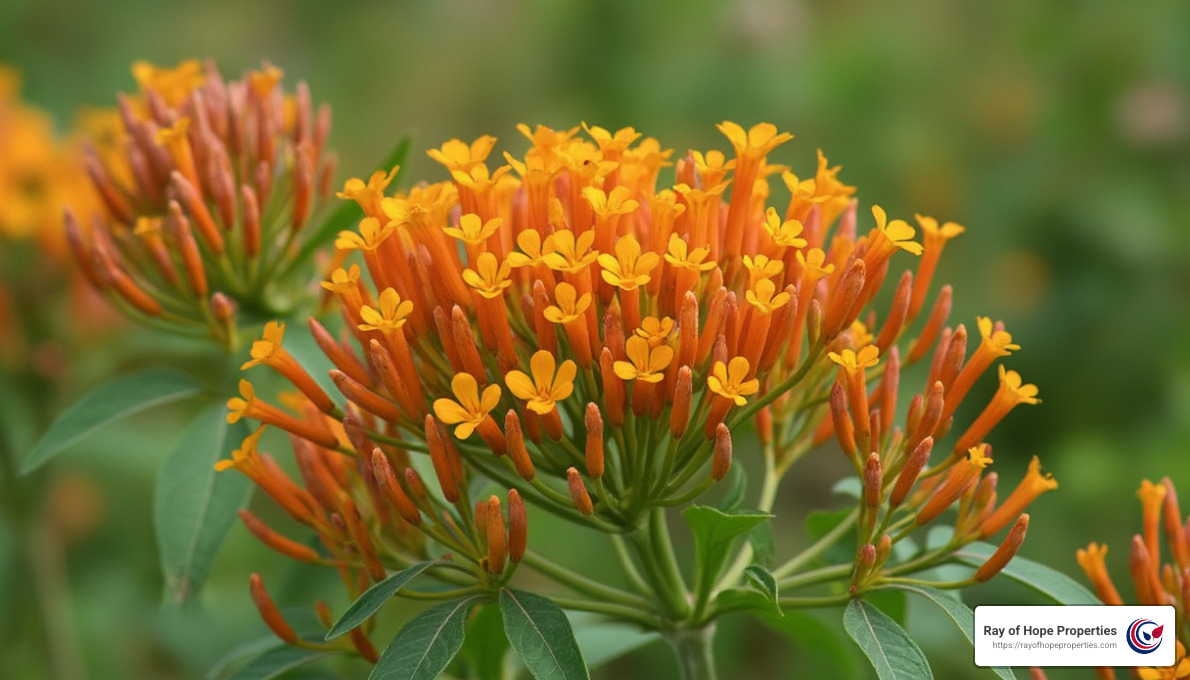
In the lower Midwest, native prairie plants like butterfly weed and prairie dropseed are excellent choices for sunny locations. These plants not only add beauty but also attract pollinators and require little maintenance once established.
By understanding these design fundamentals and site conditions, you can create a native plant garden that not only improves your outdoor space but also supports the local ecosystem.
Next, we’ll explore the key elements that bring your native plant garden to life, including line, form, and texture.
Key Elements of Native Plant Garden Design
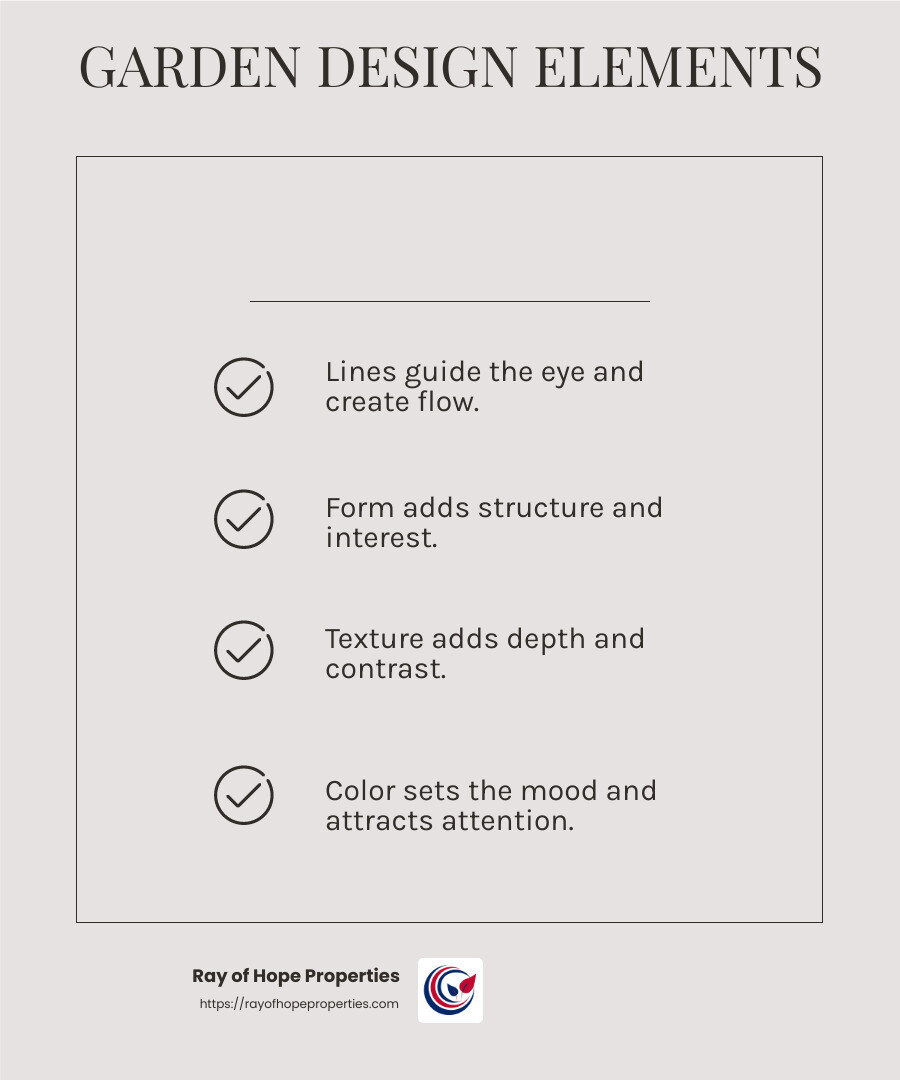
Creating a native plant garden is like painting a masterpiece. Each element—line, form, texture, color, and scale—plays a crucial role in crafting a harmonious and inviting space. Let’s break these elements down:
Line
Lines guide the eye through your garden. They can be straight for a formal look or curved for a more natural feel. Think about how paths, borders, and plant arrangements create lines that lead visitors through your garden. For instance, a winding path lined with native grasses can evoke a sense of exploration and trip.
Form
Form refers to the shape of plants and structures in your garden. It can be as simple as the upright form of a tree or the sprawling habit of a ground cover. Mixing different forms creates visual interest. For example, a tall, vertical plant like the compass plant can serve as a striking focal point, while mounded forms like prairie dropseed provide a gentle contrast.
Texture
Texture adds depth to your garden. It can be bold or fine, smooth or rough. Native plant gardens often feature fine-textured foliage, but incorporating bold-textured plants like Joe Pye weed or rose mallow can prevent the garden from appearing too “messy.” Mixing textures not only improves the garden’s visual appeal but also helps in weed control, as dense plantings can suppress unwanted growth.
Color
Color is what draws people in and can set the mood of your garden. In a native plant garden, color comes from flowers, foliage, and even stems and bark. Consider using a palette that reflects the natural beauty of your region. For example, in sunny areas, you might opt for the vibrant oranges of butterfly weed or the soft blues of shining blue star. Repeating color themes throughout the garden can create a cohesive look.
Scale
Scale ensures that the size of plants and garden elements fits the space. Large plants can overwhelm a small garden, while tiny plants may get lost in a vast landscape. Always consider the mature size of plants when designing your garden. Planting in layers—from low ground covers to taller shrubs and trees—can create depth and interest without overcrowding.
By thoughtfully incorporating these elements, you can design a native plant garden that feels like a natural paradise. Each component works together to create a space that is not only beautiful but also functional and inviting.
Next, we’ll dig into planning your native plant garden, focusing on site conditions and plant selection.
Planning Your Native Plant Garden
Planning a native plant garden involves understanding your site, choosing the right plants, and using helpful templates to guide your design. Let’s explore these steps in detail:
Site Conditions
Before you start planting, it’s crucial to assess your garden’s conditions. Here’s what to consider:
Light: Observe how much sun or shade your garden gets throughout the day. This will help you pick plants that thrive in those conditions.
Soil: Check if your soil is moist or dry, acidic or neutral. Different plants prefer different soil types, so knowing this will guide your plant choices.
Water: Identify any low spots where water collects. Some plants love wet feet, while others prefer drier conditions.
Zones: Divide your garden into zones based on light and moisture. This makes it easier to group plants with similar needs together.
Plant Selection
Once you’ve assessed your site, it’s time to choose the plants:
Local Observations: A good trick is to look around your neighborhood to see which native plants are thriving. This gives you clues about what might work in your garden.
Diversity: Aim for a mix of plants to create a resilient ecosystem. Include grasses, wildflowers, shrubs, and trees to provide food and shelter for wildlife.
Templates: Use design templates as a guide. For example, a “Sunny Pollinator Patch” template can help you create a space that’s both beautiful and beneficial for bees and butterflies.
Garden Templates
Templates are like recipes for your garden. They provide a starting point and can be adapted to suit your space:
Shady Refuge: Ideal for areas with low light, featuring plants that thrive in shade.
Welcoming Entry: Use curves and layers for a natural look or straight lines for a contemporary feel.
Pots and Planters: Perfect for small spaces like patios or balconies. You can create a mini oasis with just a few containers.
These templates help simplify the planning process and ensure your garden is aesthetically pleasing and functional.
By understanding your site’s conditions, selecting the right plants, and using templates for guidance, you can create a native plant garden that is both beautiful and sustainable.
Next, we’ll share some design tips to improve your garden with borders, paths, and focal points.
Native Plant Garden Design Tips
Designing a native plant garden can be a rewarding experience. Here are some tips to help you create a beautiful and sustainable space.
Borders and Paths
Defining your garden space with borders and paths is crucial. They give your garden a clean and organized look, making it more visually appealing.
Borders: Use natural materials like stones or logs to create borders. This helps define planting areas and keeps your garden looking tidy.
Paths: Incorporate walkways to guide visitors through your garden. Gravel, mulch, or stepping stones can be used for a natural feel. Paths also make it easier to access different parts of your garden for maintenance.
Focal Points
A good garden design starts with a focal point. This draws attention and adds interest to your space.
Plants: Choose bold-textured plants like the compass plant (Silphium laciniatum) or Joe Pye weed (Eupatorium purpureum) as focal points. Their striking appearance can stand out in the garden.
Structures: Consider adding a statue or a small arbor. These elements provide a visual anchor and can improve the overall design.
Plant Diversity
Diversity in your garden is key to creating a resilient and vibrant ecosystem.
Mass Planting: Plant two to four species in broad sweeping masses. This not only looks striking but also helps control weeds, especially when combined with native grasses.
Mix and Match: Include a variety of plants such as grasses, wildflowers, and shrubs. This ensures a range of textures and colors throughout the seasons.
Textures
Textures add depth and interest to your garden. A mix of bold and fine textures can make your garden visually appealing.
Bold Textures: Use plants with large leaves or unique forms, like rose mallow (Hibiscus lasiocarpus), to add structure.
Fine Textures: Balance bold plants with finer ones, such as grasses or small-leaved perennials. This combination prevents the garden from looking “messy.”
By incorporating these tips, you can design a native plant garden that is not only beautiful but also functional and sustainable. In the next section, we’ll answer some frequently asked questions about native plant gardening.
Frequently Asked Questions about Native Plant Garden Design
What are the benefits of native plant gardens?
Native plant gardens offer numerous benefits that make them a smart choice for any landscape.
Local Climate Adaptation
Native plants are naturally adapted to the local climate. They thrive in the conditions they’re used to, whether it’s the hot summers of Tuscaloosa or the rainy seasons elsewhere. This means they require less water and are more resilient to local pests and diseases.
Low Maintenance
Once established, native plant gardens demand minimal upkeep. They don’t need as much watering, fertilizing, or pest control as non-native species, saving you time and resources.
Wildlife Habitat
Native plants provide essential habitats for local wildlife, including birds, bees, and butterflies. They offer food and shelter, supporting biodiversity and helping to maintain a balanced ecosystem.
How do I start a native plant garden?
Starting a native plant garden is a rewarding project that involves some key steps:
Site Assessment
Begin by evaluating your garden site. Note the sun and shade patterns, soil type, and any wet or dry areas. This will help you choose the right plants for each spot.
Plant Selection
Choose plants that are native to your area and suited to your site’s conditions. Visit local nurseries or consult with experts to find the best options.
Design Templates
Use design templates to guide your layout. Templates like those from Bloom! California can provide ideas for different garden styles, such as shady refuges or sunny pollinator patches.
What are common challenges in native plant gardening?
While native plant gardens are generally low-maintenance, they come with their own set of challenges:
Pest Attraction
Even native plants can attract pests. Regular monitoring and using natural pest control methods can help keep them in check.
Plant Spacing
Proper spacing is crucial. Overcrowding can lead to poor growth and increased competition for resources. Follow recommended spacing guidelines for each plant type.
Maintenance
Though low-maintenance, native gardens still need some care. Regular tasks include weeding, pruning, and monitoring soil moisture, especially during the first year.
By understanding these aspects, you can successfully steer the process of creating and maintaining a native plant garden.
Conclusion
At Ray of Hope Properties, we believe that a beautiful landscape should not come at the expense of the environment. Our eco-friendly landscaping services are designed to harmonize with nature while enhancing the beauty and functionality of your outdoor spaces. We specialize in Native Plant Garden Design, offering personalized solutions that cater to the unique needs of your property.
Our approach begins with understanding your vision and the specific conditions of your site. We then craft a landscape design that incorporates native plants, which are well-suited to the Tuscaloosa climate. These plants require less water, reduce maintenance efforts, and support local wildlife, making them an ideal choice for sustainable landscaping.
By choosing Ray of Hope Properties, you are investing in a landscape that is not only visually appealing but also environmentally responsible. Our team is committed to delivering high-quality, customized services that reflect your personal style and contribute positively to the ecosystem.
Ready to transform your outdoor space into a natural paradise? Explore our services and find how our expertise in Native Plant Garden Design can bring your vision to life. Let us help you create a sustainable and beautiful environment that you and the local wildlife will enjoy for years to come.


