

Mulch for weed prevention is a powerful tool in maintaining a vibrant and healthy garden or outdoor space. When used effectively, mulch offers more than just an aesthetic boost—it’s a secret weapon against weeds, a conservator of soil moisture, and a key player in creating an eco-friendly landscape.
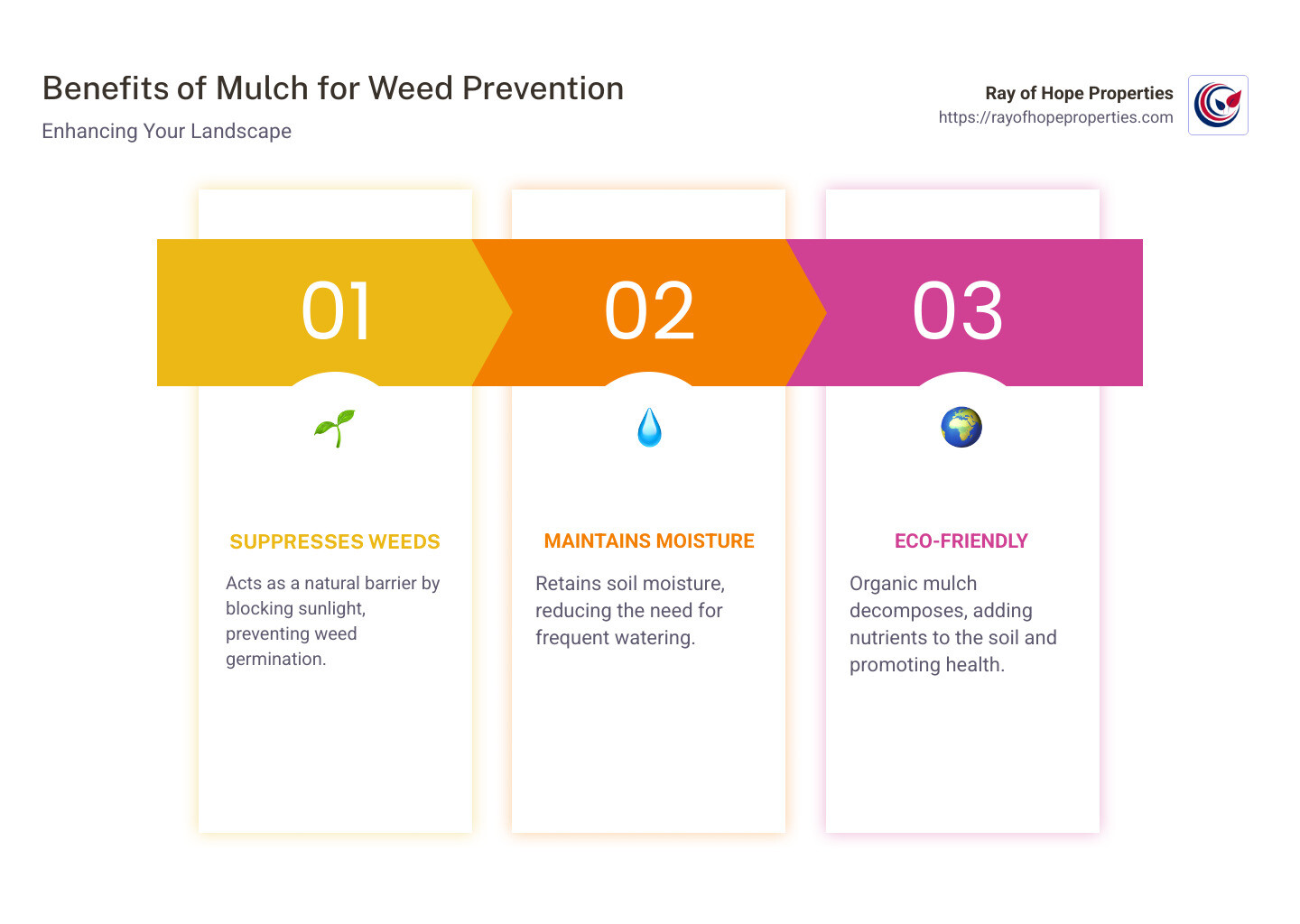
- Suppresses Weeds: Mulch acts as a natural weed barrier by blocking sunlight, which prevents weed seeds from germinating.
- Maintains Moisture: It helps retain soil moisture, reducing the need for frequent watering.
- Eco-Friendly: Using organic mulch adds nutrients to the soil as it decomposes, promoting plant health.
Whether you’re a busy small business owner like John M. in Tuscaloosa, AL, looking to lift your curb appeal or someone simply seeking efficient and sustainable gardening solutions, understanding the benefits of mulch is crucial. By investing in strategic mulching, you can minimize maintenance efforts while maximizing the beauty and resilience of your outdoor spaces.
Mulch for weed prevention word roundup:
– Mulch delivery and spreading
– Mulch for erosion control
Understanding Mulch for Weed Prevention
Mulch is more than just a decorative touch for your garden. It’s a strategic tool for weed prevention that can make your gardening tasks much easier. Let’s explore how mulch works its magic.
Weed Barrier
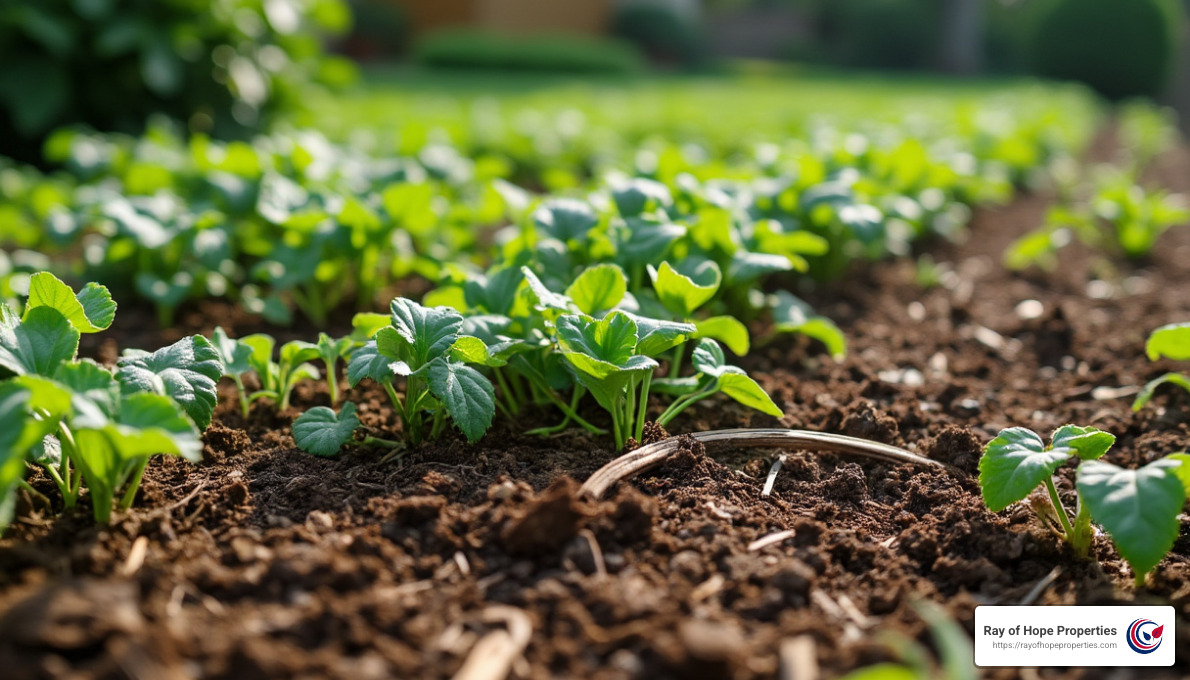
One of the primary functions of mulch is to act as a weed barrier. By covering the soil, mulch blocks sunlight from reaching weed seeds. Without sunlight, these seeds can’t germinate and grow. This simple yet effective method drastically reduces the number of weeds that pop up in your garden.
Sunlight Blockage
Sunlight is essential for plant growth, but not all plants in your garden are welcome. Weeds thrive on sunlight, and mulch cuts off this critical resource. By laying down a layer of mulch, you’re effectively creating a dark environment where weed seeds can’t sprout. This not only keeps your garden looking tidy but also reduces the time you spend weeding.
Soil Moisture Retention
In addition to preventing weeds, mulch helps with soil moisture retention. When you apply mulch, it acts like a sponge, holding onto water and slowly releasing it into the soil. This means your plants get a steady supply of moisture, even during dry spells. Plus, you’ll save on water bills and reduce the frequency of watering your garden.
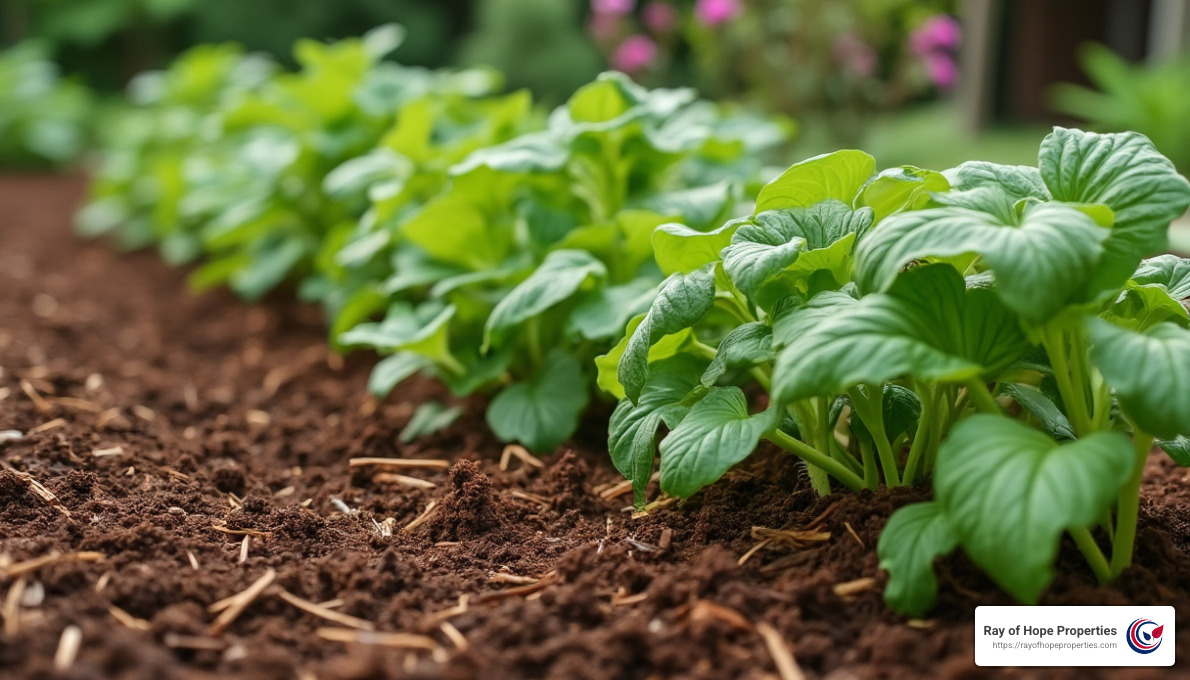
These benefits make mulch an essential component of any garden. By using mulch effectively, you’re not just tackling weeds—you’re also improving your garden’s overall health and sustainability.
Types of Mulch for Effective Weed Control
When it comes to mulch for weed prevention, not all mulches are created equal. Different types offer distinct benefits for weed control and garden health. Let’s explore the three most popular options: bark mulch, rubber mulch, and organic mulch.
Bark Mulch
Bark mulch is a favorite among gardeners for its natural look and effectiveness in weed suppression. It creates a barrier that blocks sunlight, preventing weed seeds from germinating. This type of mulch also helps retain soil moisture, keeping plant roots cool and hydrated during hot weather.
- Pros: Natural appearance, good at blocking sunlight, and helps maintain soil moisture.
- Cons: Needs regular replenishment as it decomposes over time.
Rubber Mulch
Rubber mulch is a more modern option, known for its durability and ability to dehydrate weed seeds before they can sprout. Unlike organic mulches, rubber mulch doesn’t absorb water, which makes it excellent for water retention in the soil beneath.
- Pros: Long-lasting, doesn’t decompose, and effectively dehydrates weed seeds.
- Cons: Can be more expensive and doesn’t add nutrients to the soil.
Organic Mulch
Organic mulch includes materials like shredded leaves, straw, and compost. This type of mulch is excellent for soil aeration and nutrient addition as it breaks down. It enriches the soil with essential nutrients, supporting healthy plant growth.
- Pros: Improves soil health by adding nutrients and improving aeration.
- Cons: Needs to be replaced more frequently as it decomposes.
Each type of mulch has its strengths and weaknesses. Your choice depends on your garden’s specific needs, like aesthetic preferences, soil conditions, and maintenance willingness. By selecting the right mulch, you can effectively suppress weeds while enriching your garden’s ecosystem.
How to Apply Mulch for Maximum Weed Prevention
Applying mulch correctly is key to maximizing its benefits for weed prevention. Let’s break down the essential steps: timing, mulch thickness, and plant protection.
Timing
Timing is crucial when it comes to mulching. The best time to apply mulch is right after planting your garden or when seedlings start to emerge. This timing helps to suppress weeds before they can establish themselves. It’s also a good idea to refresh your mulch layer in early spring or fall to maintain its effectiveness.
Mulch Thickness
The thickness of your mulch layer is a balancing act. Aim for a layer that is at least 2 to 3 inches thick. This depth is sufficient to block sunlight, which prevents weed seeds from germinating. However, avoid piling mulch too high, as more than 3 inches can lead to problems like poor air circulation and moisture retention that can harm plant roots.
Plant Protection
When applying mulch, be mindful of your plants. Keep the mulch a few inches away from the base of plants to prevent moisture buildup, which can lead to rotting. This gap ensures that plants have enough space to breathe and reduces the risk of disease.
By following these steps, you can harness the full power of mulch to keep weeds at bay, while also supporting the health and beauty of your garden. Next, we’ll address some common challenges you might face when using mulch and how to overcome them.
Common Challenges and Solutions in Mulching
Even with the best intentions, mulching can present a few challenges. Let’s explore these common issues and their solutions to ensure your mulch works effectively for weed prevention.
Over-Mulching
One of the most frequent mistakes is over-mulching. While it might seem like more mulch would offer better protection, too much can suffocate plant roots and block essential nutrients and water from reaching the soil. This can lead to root rot and other plant diseases.
Solution: Stick to the recommended mulch thickness of 2 to 3 inches. Regularly check your mulch layer and remove any excess. This allows for proper air circulation and nutrient exchange, keeping your plants healthy.
Pest Attraction
Mulch can sometimes attract unwanted pests. Certain types of organic mulch, like straw or wood chips, can become a cozy home for insects and rodents.
Solution: Choose mulch types that are less appealing to pests. For example, using cedar or cypress mulch can repel insects due to their natural oils. Additionally, keep mulch a few inches away from plant stems and trunks to discourage pests from moving in.
Mulch Replenishment
Over time, mulch breaks down and loses its effectiveness. This is especially true for organic mulches, which decompose and need regular replenishment to maintain their weed-suppressing qualities.
Solution: Schedule regular mulch checks, ideally in early spring and fall. Refresh the mulch layer as needed to ensure it remains at the optimal thickness. This not only helps with weed control but also adds nutrients back into the soil as the mulch decomposes.
By addressing these challenges, you can maintain a healthy, weed-free garden with the help of mulch. Up next, we’ll tackle some frequently asked questions about using mulch for weed prevention.
Frequently Asked Questions about Mulch for Weed Prevention
What type of mulch is best to prevent weeds?
When it comes to weed prevention, bark mulch is often considered a top choice. It effectively blocks sunlight, which prevents weed seeds from germinating. Bark mulch also helps retain soil moisture and keeps plant roots cool. However, it’s important to note that while bark mulch is effective, it doesn’t completely prevent weeds.
Rubber mulch is another option. It doesn’t hold water, making it inhospitable for weed seeds as it dehydrates them before they can take root. However, its environmental impact is still under debate, as it doesn’t decompose like organic mulches.
Does mulch with weed preventer work?
Mulch with a weed preventer can be effective, but it’s not a foolproof solution. This type of mulch often comes with a fabric layer that acts as a barrier to weed growth. While it can reduce the number of weeds, it may also prevent organic material from reaching the soil, which can hinder soil health over time.
Some gardeners prefer to avoid using mulch fabric altogether, as it can create a barrier that doesn’t allow nutrients from decomposing mulch to enrich the soil. Instead, they rely on a thick layer of mulch (2 to 3 inches) to naturally suppress weeds.
What are the disadvantages of mulching?
While mulching has many benefits, there are some potential downsides to be aware of:
Over-Mulching: Applying too much mulch can suffocate plant roots and prevent water and nutrients from reaching the soil. Stick to the recommended thickness to avoid these issues.
Pest Attraction: Certain organic mulches can attract pests like insects and rodents. To minimize this risk, choose pest-repellent mulches like cedar or cypress, and keep mulch away from plant stems.
Regular Maintenance: Organic mulches decompose over time, requiring regular replenishment to maintain their effectiveness in weed control and soil health.
Understanding these potential disadvantages can help you make informed decisions about mulching in your garden. Up next, we’ll dig into how Ray of Hope Properties can help you achieve a thriving, weed-free landscape with their expert mulching services.
Conclusion
At Ray of Hope Properties, we believe that personalized landscaping and sustainable practices are the keys to a beautiful and resilient garden. Our expert team in Tuscaloosa, AL, is dedicated to helping you harness the power of mulch for weed prevention, among many other benefits.
By choosing our services, you’re opting for a custom approach that considers your unique landscape needs. We use premium organic materials that not only improve the appearance of your garden but also support soil health and plant growth. Whether it’s bark mulch for effective weed suppression or organic mulch for nutrient addition, we ensure that your garden receives the best care possible.
Sustainability is at the heart of what we do. Our mulching practices are designed to conserve water, reduce erosion, and improve soil quality over time. This means your garden not only looks great but also contributes to a healthier environment.
Let us help you create a vibrant, weed-free landscape that stands out from the competition. For more information on our mulching services, visit our Mulching and Pine Straw Services in Tuscaloosa, AL. Experience the difference that expert mulching can make with Ray of Hope Properties.


