

Bed landscape design is a fantastic way to transform your outdoor space, adding charm and beauty with minimal effort. For those wondering why this matters, here’s how it can be beneficial:
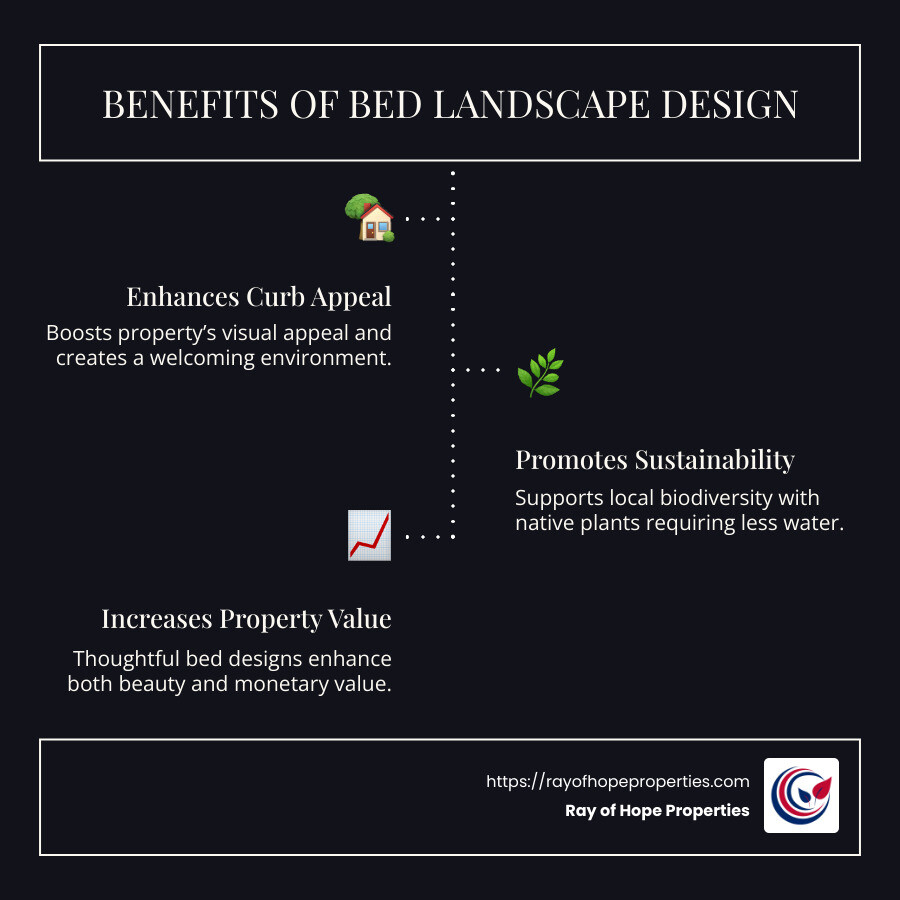
- Improves Curb Appeal: A well-maintained landscape bed can significantly boost your property’s visual appeal, creating a welcoming environment for visitors or clients.
- Promotes Sustainability: By incorporating native plants that require less water and maintenance, you support local biodiversity and reduce your environmental footprint.
- Increases Property Value: Thoughtfully designed landscape beds can improve not just the beauty but also the monetary value of your property.
Imagine pulling up to your business every day and feeling proud of its inviting, lush appearance. Whether your goal is to create a serene atmosphere or impress clients, landscape beds can be your ticket to an outdoor space that shines.
Ray of Hope Properties is dedicated to helping you achieve this vision through sustainable methods that honor the natural environment of Tuscaloosa. By choosing the right plants and materials, you can craft landscape beds that are both stunning and eco-friendly.
Bed landscape word guide:
– maintenance gardener
– replenish landscape garden
Understanding Landscape Beds
A landscape bed is a designated area in your yard dedicated to plants and shrubs, separate from the turf. Think of it as a canvas where you can express your creativity and improve your outdoor space.
What Makes Landscape Beds Special?
Landscape beds stand out because they offer a structured way to introduce a variety of plants into your yard. By separating these areas from the grass, you give each plant the space and environment it needs to thrive. This separation not only helps in maintaining the health of your plants but also makes it easier to manage the lawn and garden independently.
Plants and Shrubs for Landscape Beds
Choosing the right plants and shrubs is crucial for a successful bed landscape. Consider the following tips:
- Native Plants: Opt for plants that are native to your area. They are adapted to the local climate and soil, making them easier to maintain. In Tuscaloosa, plants like Evergreen Huckleberry (Vaccinium ovatum) and Orange Honeysuckle (Lonicera ciliosa) can be great choices.
- Variety: Mix different types of plants to add texture and color. Combine perennials, annuals, and shrubs for a dynamic look that changes with the seasons.
Separation from Turf
The separation of landscape beds from turf is not just about aesthetics. It serves several practical purposes:
- Maintenance: It simplifies the care routine. You can mow the lawn without worrying about damaging your plants.
- Health: Turf and garden plants often have different water and nutrient needs. Keeping them separate ensures each gets the care it requires.
By understanding these basics, you can start planning a landscape bed that not only beautifies your yard but also supports a healthy growing environment.
Creating Your Perfect Bed Landscape
Creating a bed landscape that’s both beautiful and functional involves several key steps. Let’s explore some practical tips to help you design and maintain a thriving garden bed.
Design Tips
When designing your landscape bed, start by sketching a plan. Use graph paper to map out shapes and sizes. Your bed doesn’t have to be a perfect rectangle or square. Curved edges can add a touch of elegance and contrast nicely with the straight lines of your home.
Think about focal points. A striking plant or small tree can draw attention to your front door or a favorite spot in the yard. Consider the existing features of your home and how your landscape can complement them.
Soil Preparation
Good soil is the foundation of any successful garden bed. Before planting, take the time to prepare your soil. Here are some steps to follow:
- Test Your Soil: Understanding the pH and nutrient levels can guide you in adding the right amendments.
- Add Organic Matter: Incorporate compost or well-rotted manure to improve soil structure and fertility.
- Ensure Proper Drainage: If water tends to pool in your area, consider raising the bed or adding sand to improve drainage.
Native Plants
Opting for native plants is a smart choice for a sustainable garden. They are well-suited to the local climate and require less maintenance. In Tuscaloosa, consider plants like Red Huckleberry (Vaccinium parvifolium) and Nodding Onion (Allium cernuum). These species thrive in the area and support local wildlife.
Layering Techniques
Layering is a technique that involves planting different species at varying heights to create depth and visual interest. Here’s how you can do it:
- Back Layer: Use tall plants or shrubs as a backdrop.
- Middle Layer: Fill with medium-sized plants that add bulk and color.
- Front Layer: Plant low-growing flowers or ground covers to edge the bed.
This method not only improves the aesthetic appeal but also maximizes the use of space, allowing each plant to receive adequate sunlight and airflow.
By following these steps, you can create a bed landscape that is both beautiful and easy to maintain. Whether you’re a seasoned gardener or a beginner, these tips will help you transform your yard into a stunning outdoor space.
Top 5 Landscape Bed Ideas
Creating a bed landscape can transform your yard into a vibrant and engaging outdoor space. Here are five innovative ideas to inspire your next garden project.
Pollinator Flower Bed
If you love wildlife, a pollinator flower bed is a perfect choice. This bed is designed to attract butterflies, bees, and songbirds. To create one, focus on incorporating native plants that are known to attract these creatures. For example, in Tuscaloosa, you might plant cornflower to draw butterflies or salvia to entice hummingbirds. Native plants not only support local fauna but also thrive with minimal care.

Low Maintenance Flower Bed
For those who want a beautiful garden without the hassle, a low-maintenance flower bed is ideal. Choose native flowers that are adapted to the local climate, which makes them easier to care for. These plants require less water and fertilizer, reducing your workload. Plus, they often resist local pests and diseases better than non-native species.
Layered Flower Bed
A layered flower bed adds depth and interest to your garden. Use contrasting colors for a bold statement or opt for various shades of a single color to create an ombre effect. Start with taller plants in the back, medium-sized ones in the middle, and low-growing flowers at the front. This technique not only improves visual appeal but also ensures each plant gets the sunlight it needs.
Tree Base Flower Bed
Maximize space and add a pop of color by planting a flower bed around the base of a tree. This is a clever way to use the often-overlooked area around tree trunks. Choose plants that can thrive in the shade, like hostas or bleeding hearts, to create a lush and vibrant look. This approach also helps in conserving soil moisture and reducing weeds around the tree.
Vertical Flower Bed
If you’re short on space, consider a vertical flower bed. Use a trellis or raised beds to grow plants upward. This method is perfect for small yards or urban settings where ground space is limited. Vertical gardens can be both functional and decorative, providing ample room for herbs, flowers, or even vegetables without taking up much horizontal space.
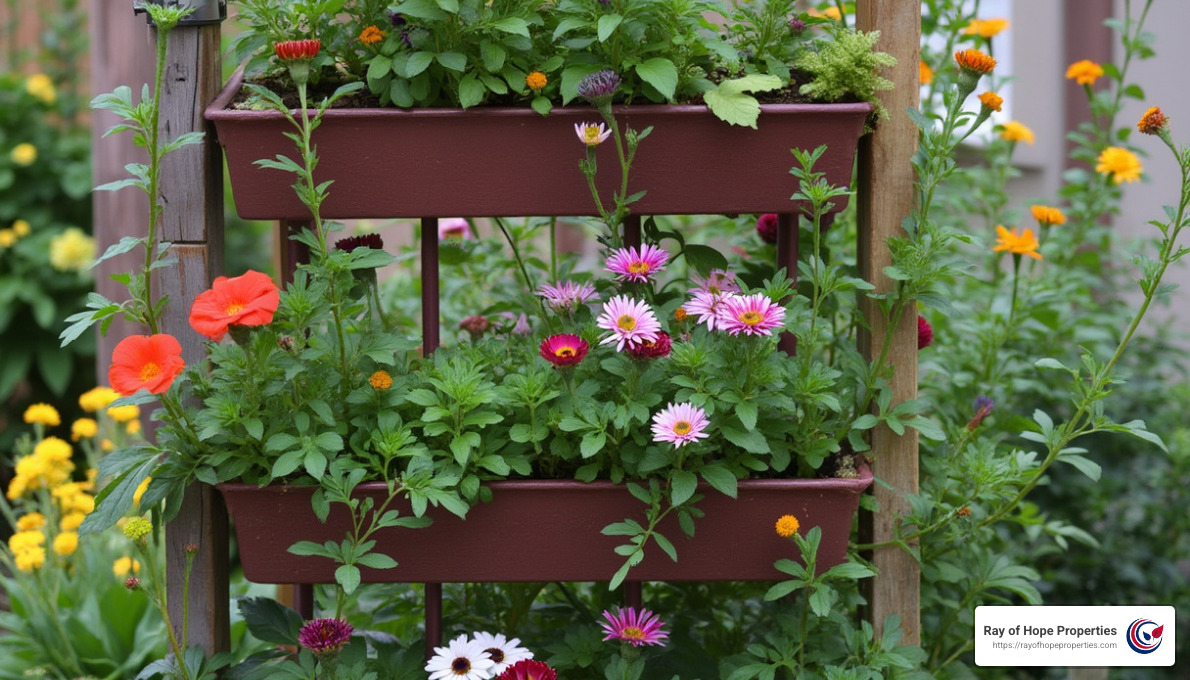
These bed landscape ideas offer various ways to improve your outdoor space, whether you’re aiming to attract wildlife or simply want a low-maintenance garden. Each concept can be adapted to fit your personal style and yard size, ensuring your garden is both beautiful and functional.
Frequently Asked Questions about Bed Landscape
What is a bed in landscaping?
A bed landscape, often referred to as a garden bed, is a designated area in your yard where plants, flowers, and shrubs are cultivated separately from the turf or grass. These beds are typically bordered or edged to clearly define the space, making them distinct from the rest of the lawn. By separating plants from the turf, you create a more organized and visually appealing yard, while also making maintenance easier.
How to create a landscape bed?
Creating a landscape bed involves several important steps:
- Choose the Right Location: Consider the amount of sunlight the area receives. Some plants thrive in full sun, while others prefer shade. In Tuscaloosa, it’s crucial to choose a spot that suits the needs of your selected plants.
- Assess Soil Conditions: Check the soil quality and drainage in your chosen location. You may need to improve the soil by adding compost or other organic matter to support plant growth.
- Select Your Plants: Opt for plants that are well-suited to your local climate and soil conditions. Native plants are often a great choice as they are adapted to the environment and require less maintenance.
- Design Your Bed: Sketch out a plan, considering the shape and size of your bed. Incorporate a mix of plant heights and colors for visual interest.
- Prepare the Site: Clear the area of grass and weeds. You can use a sod cutter or manually remove the turf. Then, turn the soil to loosen it and add any necessary amendments.
- Plant Your Selections: Follow your design plan and plant your selections, ensuring there is adequate space between each plant for growth.
- Mulch and Water: Apply a layer of mulch to conserve moisture, suppress weeds, and improve the appearance of your bed. Water the plants thoroughly after planting.
What is the cheapest landscaping option?
For a cost-effective approach to landscaping, consider these strategies:
- Use Native Plants: Since native plants are adapted to the local climate, they require less water and care, reducing long-term costs.
- DIY Garden Beds: Instead of hiring professionals, create your own garden beds using simple tools and resources. This can significantly cut down expenses.
- Mulch with Organic Materials: Use organic mulches like pine straw or wood chips, which are often cheaper and provide essential nutrients as they decompose.
- Repurpose Materials: Use reclaimed wood or stones for edging to save on material costs.
By focusing on sustainable practices and smart plant selection, you can design a beautiful and affordable bed landscape that improves your yard without breaking the bank.
Conclusion
At Ray of Hope Properties, we believe that a beautifully designed bed landscape is more than just an aesthetic addition to your yard—it’s a personalized expression of your style and commitment to the environment. Our expert team in Tuscaloosa, AL, is dedicated to crafting eco-friendly landscaping solutions that not only improve the curb appeal of your home but also promote sustainability.
Personalized Solutions: We understand that every yard is unique, and so are the preferences of each homeowner. That’s why we offer customized landscaping services, custom to fit your vision and needs. Whether you’re looking to create a vibrant pollinator bed or a low-maintenance flower bed, our team will work closely with you to bring your ideas to life.
Eco-Friendly Landscaping: Sustainability is at the heart of what we do. We prioritize the use of native plants, which are better suited to local climate conditions and require less water and maintenance. This not only helps in conserving resources but also supports local wildlife and promotes a balanced ecosystem in your garden.
Transform your outdoor space with our expert landscaping services. Visit our Garden Bed Construction page to learn more about how we can help you create a stunning and sustainable yard.
By choosing Ray of Hope Properties, you’re investing in a landscape that is both beautiful and sustainable, ensuring your yard remains a source of joy and pride for years to come.


